
How to Start an Alloy Wheel Repair Business in the UK: A Practical Guide for 2026
Starting an alloy wheel repair business in the UK is often considered by entrepreneurs looking to enter the automotive sector. At first glance, the model appears straightforward. Alloy wheels are commonly damaged, and there is a clear demand for refurbishment services.
In practice, however, building a successful operation involves more than identifying demand. It requires a combination of technical capability, the right environment, structured processes and a clear approach to running the business day to day.
Understanding these elements early can help set realistic expectations and avoid common mistakes.
Why Alloy Wheel Repair Is in Demand
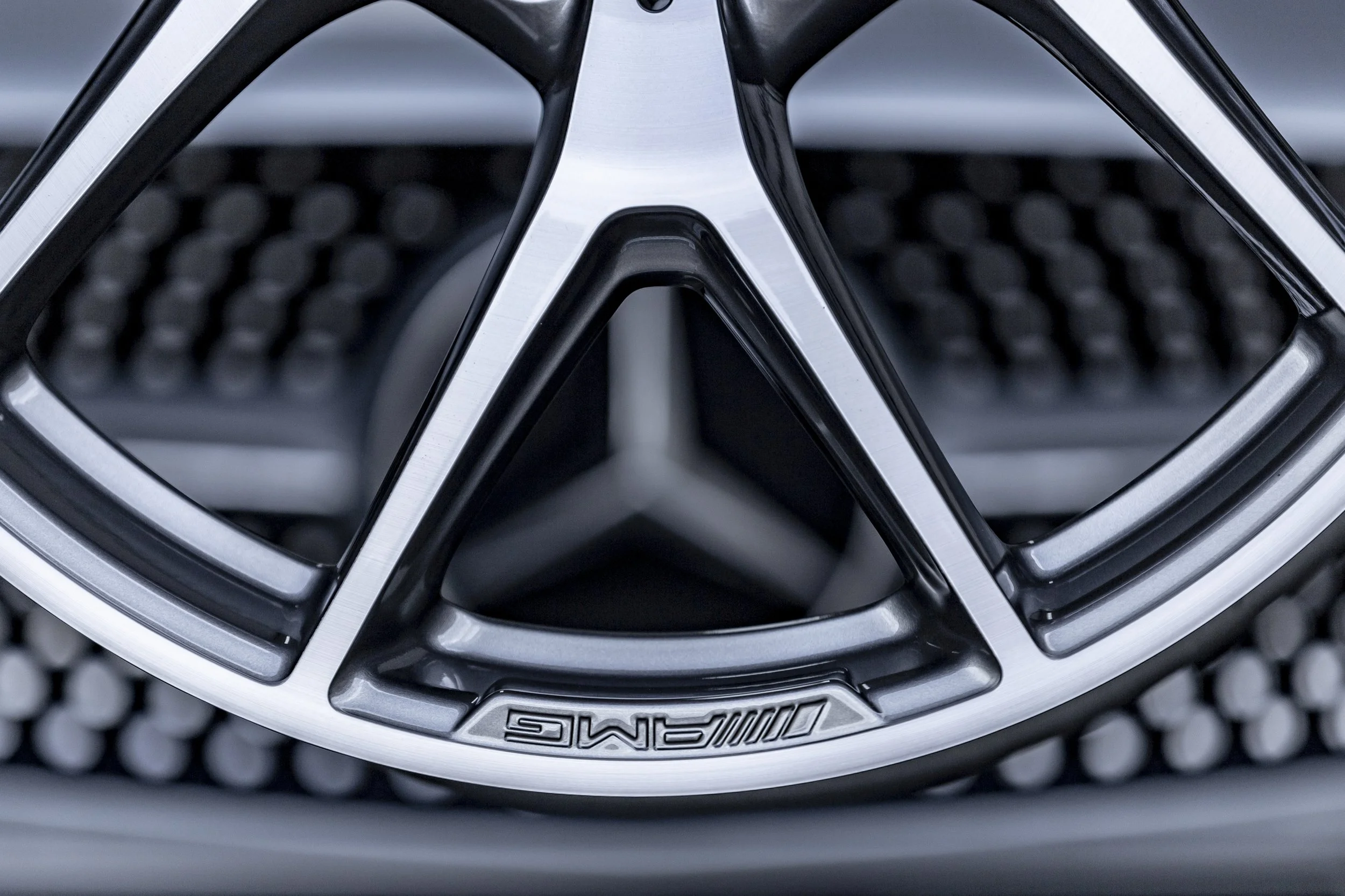
Alloy wheels are now a standard feature on most vehicles. They are often larger, more intricate and more visible than in previous generations. As a result, even minor damage can significantly affect the appearance of a car.
Kerb damage, corrosion and general wear occur through normal use. This creates consistent demand for refurbishment services across a wide range of customers.
These customers typically include:
Private vehicle owners who want to improve the look of their car
Dealerships preparing vehicles for sale
Leasing companies managing returns
Fleet operators maintaining presentation standards
The demand is not driven by a single customer type, which helps create a broad and stable market.
Understanding What the Business Involves
Wheel refurbishment is a process-based service rather than a simple repair job.
A typical workflow includes removal of wheels, inspection, preparation, repair, coating and finishing. Each stage must be carried out correctly to achieve a consistent result.
The process often involves:
Stripping the paint from the wheel
Surface preparation using blasting or sanding methods
Repairing damage where possible
Applying coatings such as paint or powder coating
Controlled curing to ensure durability
Finishing processes depending on the wheel type
The final outcome depends on both the condition of the wheel and the consistency of the process used. Not every wheel can be restored in the same way, and part of the job is managing expectations accordingly.
The Importance of Equipment and Environment
One of the most overlooked aspects when starting a wheel refurbishment business is the role of the working environment.
Unlike some automotive services, refurbishment requires controlled conditions to achieve reliable results. Equipment such as spray booths and curing ovens are not optional additions. They are essential to maintaining consistency.
A typical setup may include:
Blasting systems for preparation
Spray booths for controlled application of finishes
Curing ovens for durability
Diamond cutting machines for specific wheel types
The quality of the equipment and the layout of the workspace directly influence both efficiency and output quality.
Attempting to operate without the proper setup often leads to inconsistent results, which can quickly affect reputation.
Developing Technical Skills
Wheel refurbishment is not a single skill but a sequence of processes that must work together.
Each stage, from preparation through to finishing, requires attention to detail. Small inconsistencies can affect the final result, particularly with more complex finishes.
Training plays a critical role in building this capability. Without a structured approach, it can take significant time to develop consistent results through experience alone.
This is one of the key reasons many people entering the sector look for formal training or established systems rather than learning entirely through trial and error.
Choosing How to Start the Business
There are two main routes into the alloy wheel repair market.
Independent Startup
An independent approach involves sourcing equipment, developing processes and building a customer base from the ground up.
This route offers flexibility, but it also requires time to refine operations and establish consistent quality. It may involve a period of trial and adjustment before the business reaches a stable position.
Franchise Model
A franchise provides a structured framework that includes training, processes and brand support.
Rather than developing everything independently, franchisees operate within an established system. This can reduce the time required to achieve consistency and allows the business to launch with a clearer operational model.
It does not remove the need to manage the business effectively, but it provides a defined starting point.
The Wheel Specialist as a Structured Example
The Wheel Specialist operates a network of dedicated alloy wheel refurbishment centres across the UK.
The model is based on delivering consistent results through defined processes supported by technical training and operational guidance.
Franchisees are provided with:
Structured training in refurbishment techniques
Guidance on equipment and workshop setup
Operational systems and training for managing the business
Marketing support to help build local presence
And much more
Each location operates within its own territory while following a shared framework. This allows for local business development supported by an established system.
For individuals new to the sector, this type of structure can help shorten the learning curve compared to building processes independently.
What Determines Long-Term Success
Starting the business is only one part of the process. Long-term success depends on how the operation is managed.
Key factors include:
Maintaining consistent quality across all work
Building relationships with both retail and trade customers
Managing workflow efficiently within the workshop
Setting realistic expectations with customers
Managing and maintaining your team
In a service-based business, reputation develops over time. Consistency is often more important than speed of growth.
Final Thoughts
Starting an alloy wheel repair business in the UK is a viable opportunity within a sector that benefits from ongoing demand.
However, it is not a simple entry point. The business requires the right combination of equipment, training and operational structure to deliver consistent results.
For those who prefer to build independently, the process involves time and experimentation. For those looking for a more structured approach, franchise models such as The Wheel Specialist provide an established framework.
The key decision is not just whether to enter the market, but how to do so in a way that supports long-term consistency and growth.