The 2026 Automotive Aftercare Opportunity: Where the Smart Money Actually Goes
In 2026, the smartest opportunities in automotive are not always the loudest ones. The real winners are often found in aftercare, where demand is steady because it is tied to everyday ownership, real-world wear, and the simple fact that people want their cars to look right. When the economy feels uncertain, many drivers delay upgrading their vehicle, but they still spend money maintaining what they already have, and appearance is a bigger part of that decision than most people admit.
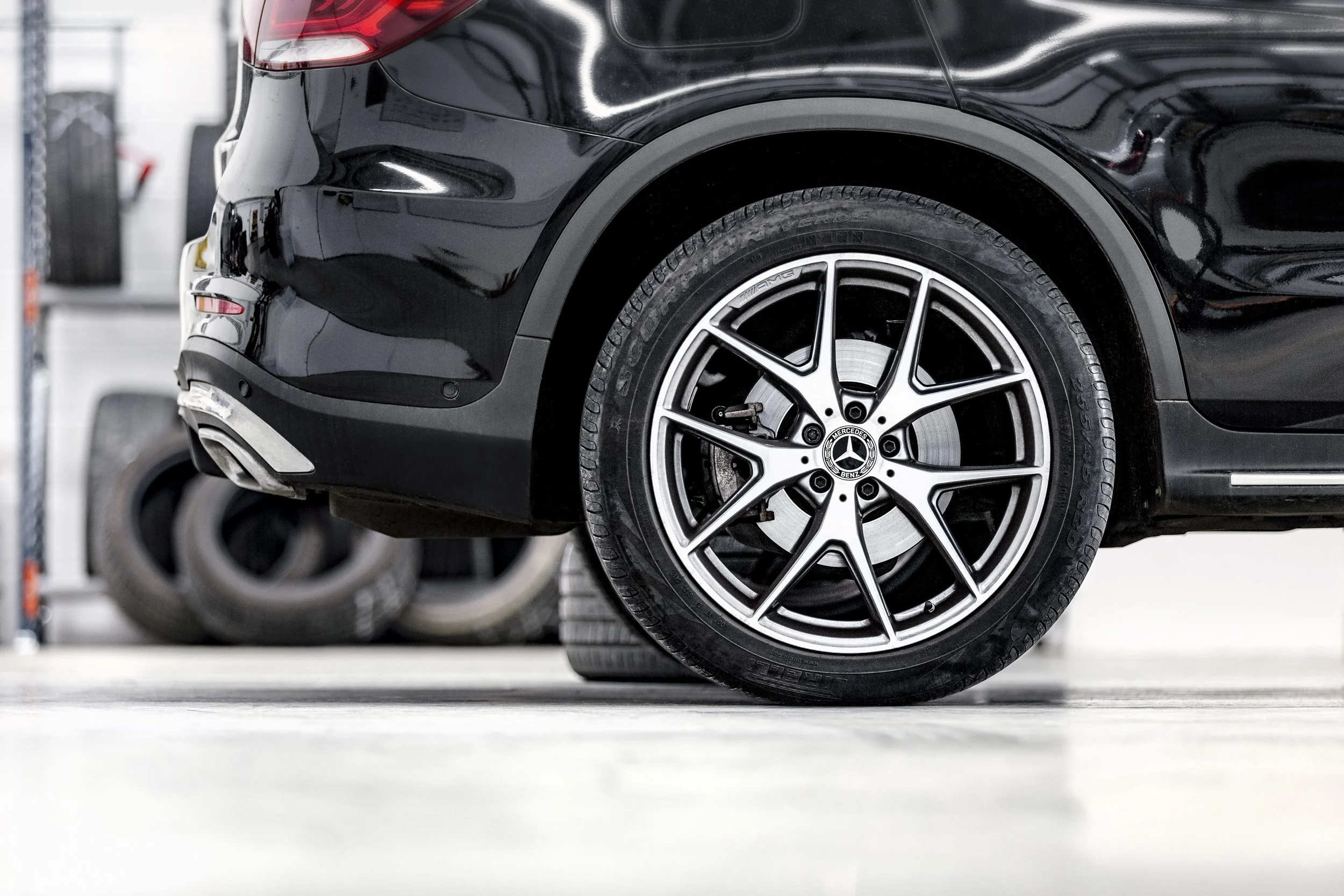
Wheel refurbishment sits perfectly in that space. It is not a luxury product aimed at a tiny niche, and it is not a “nice idea” that only works when conditions are perfect. It is a practical service that protects aesthetics, helps retain value, and keeps a car looking cared for. For many owners, especially those who take pride in their vehicle, wheels are one of the first things they notice and one of the first things other people notice too.
It is also important to be clear about what wheel refurbishment really is. This is not a service for people who are indifferent about their car. It appeals to drivers who care about condition, presentation, and value. That includes enthusiasts, premium car owners, and anyone who wants their vehicle to look sharp, but it also includes the much larger group of everyday motorists who simply do not want their car to look tired, damaged, or neglected.
This is what makes the category so commercially attractive. The customer motivations are strong and they are consistent. Some customers want the car to look perfect because it reflects personal pride. Some want to protect resale value. Some want to avoid the cost of replacement wheels. Others just want the vehicle to feel “sorted” again. Different reasons, same outcome, and that creates reliable demand without needing to rely on trends.
The most resilient aftercare businesses also understand that customer mix matters. A strong wheel refurbishment operation does not rely purely on public work or purely on trade work. It builds a balance that creates stability, cashflow consistency, and long-term growth.
Trade customers bring repeat volume and predictability. When you are working with dealers, body shops, fleets, and service centres, you are plugging into a constant flow of vehicles that need fast turnaround and dependable quality. Done properly, trade relationships create momentum and routine, and they allow you to plan staffing, workflow, and capacity with far more confidence.
Public customers bring margin, brand presence, and local reputation. Retail work is often driven by presentation, pride of ownership, and that emotional connection people have with their car. It is also where reviews are won, referrals are generated, and the brand becomes recognised in the local area. Public customers often lead to higher value add-ons, and they can become repeat customers across multiple vehicles over time.
The key is not choosing one or the other. The key is building a model that supports both, without compromising service levels, quality control, or operational efficiency. That is where many independent businesses struggle, because they have to invent the process while also trying to win customers, manage technicians, and protect profitability.
This is why franchising becomes a serious consideration for people looking at automotive aftercare as a business opportunity. A good franchise should not be about hype or big claims. It should be about giving an owner-operator a structured way to build something that works in the real world, with systems, training, supplier access, and marketing support that reduces avoidable mistakes and shortens the learning curve.
The Wheel Specialist sits naturally in this conversation because wheel refurbishment is what the brand is built around. The model is designed to serve both trade and public customers, and to do it with a level of professionalism that protects reputation and supports growth. The value for a franchisee is not just having a recognised name. It is having the operational framework, support, and experience behind you that would take years to build independently, and would cost significant money to replicate properly.
For the right person, the opportunity in 2026 is clear. Automotive aftercare is not going away, and wheel refurbishment is a service that remains relevant because it is tied to pride, value, and the everyday realities of car ownership. If you want to start your own business in a sector where demand is practical, customers care about the outcome, and quality drives reputation, it is a category worth serious attention.
And if you want to build that business with the backing of a proven model, strong systems, and the kind of support that helps you operate with confidence from day one, a franchise network like The Wheel Specialist is well worth a look.