What Running a Precision Service Business Taught Me About the UK Automotive Aftermarket
People often ask me how I would describe The Wheel Specialist. My honest answer is that it is a precision service business that happens to operate in the automotive aftermarket. The wheel refurbishment part is what we do. The precision part is how and why we are still here, growing, in a market where plenty of others have come and gone.
That distinction matters more than most people in this sector seem to appreciate.
Precision Is Not a Marketing Word

I want to be clear about what I mean by precision because it gets used loosely. Precision is not about claiming quality. It is about what happens when you cannot hide.
In alloy wheel refurbishment, you cannot hide. The work is visible. Every car that leaves the workshop is a public advertisement for the quality of what you did. A finish that looks correct in the workshop and fails six months later is not precision work, it is a deferred problem. And in a world where a customer with a disappointing result can leave a detailed review within minutes of arriving home, deferred problems arrive back on your doorstep very quickly.
The discipline of running a business where the product of your work is immediately visible to the end customer, and to everyone who sees their car afterwards, is one of the most honest commercial environments I know. You cannot win through marketing if the underlying work is mediocre. You have to actually be good. Every time.
Most businesses do not operate this way. They have room to manage customer perception, to smooth over inconsistency with service recovery, to hide behind complexity. We do not. Accountability is built into the model. It keeps you honest in a way that I have come to regard as a genuine advantage rather than a constraint.
What the UK Automotive Aftermarket Actually Looks Like From Inside It

The mainstream conversation about the UK automotive market focuses almost entirely on new vehicle sales, EV transition, and dealer economics. That conversation is about the visible, headline-grabbing part of the industry.
The aftermarket is where the actual volume of economic activity happens, quietly, away from the press releases.
There are over 42 million licensed vehicles on UK roads. The average age of those vehicles is rising. Older vehicles need more maintenance, more cosmetic attention, more service work to hold their value and keep their owners satisfied. This is not a shrinking market dressed up in optimistic language. It is a structurally growing market driven by demographics, economics, and road conditions that nobody in government is seriously committed to improving.
Within that, the premium cosmetic segment (alloy wheel refurbishment, paint protection, quality bodywork) is growing faster than the general aftermarket. The customer base is getting more sophisticated, not less. People who spent £30,000 on a car want the wheels to look right. They are increasingly aware of the difference between a mobile touch-up and a proper workshop refurbishment.
That is the market we operate in. It is not flashy. Nobody is going to write a cover story about wheel refurbishment in a mainstream business title. But the economics are real, the demand is recurring, and the competition at the quality end remains genuinely fragmented. That is a better starting position than most business models I have observed up close.
What Precision Business Teaches You About Operations
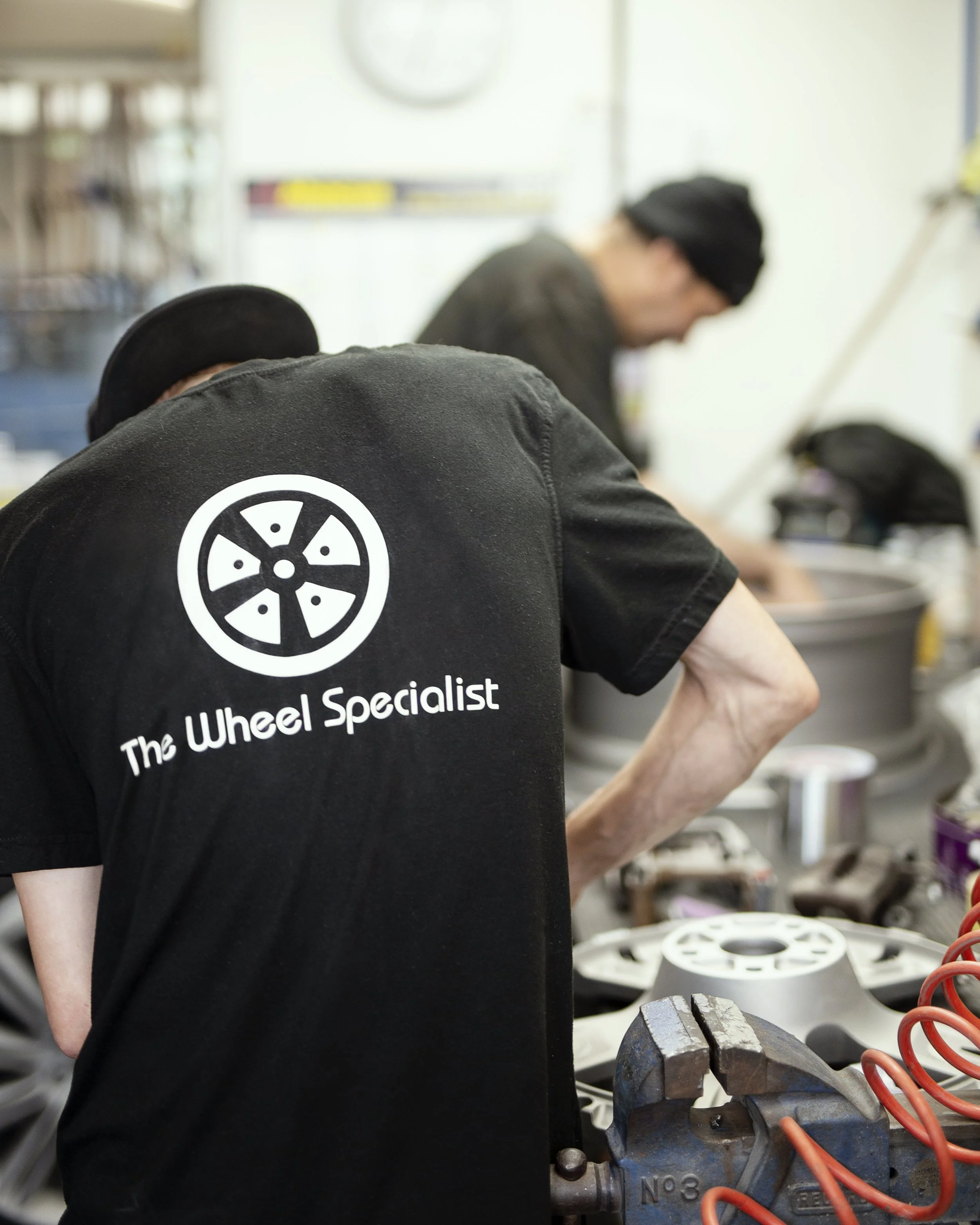
Running a business where quality is non-negotiable teaches you things about operations that you simply cannot learn in a business where "good enough" is acceptable.
The first thing it teaches you is that process is not bureaucracy. In a workshop producing diamond cut refurbishments, every stage of the process exists for a reason. Full stripping of old finishes is not optional. Cure time is not a suggestion. The inspection before the tyre goes back on is not a formality. People new to the industry sometimes see these steps as inefficiency. They learn quickly that skipping them means rework, refunds, or a reputation problem that costs far more than the time saved.
The second thing it teaches you is that the quality of your people matters more than almost anything else. You can buy the right equipment. You can design the right process. What you cannot shortcut is the judgement, skill, and pride in the work of the technicians doing it every day. Investing in people, genuinely investing, not performing investment, is not soft business thinking. It is the most direct route to consistent output quality.
The third thing, and this is the one that surprised me most, is that precision disciplines your commercial decision-making. When you cannot hide behind complexity, you get very clear very quickly about which customers, which jobs, and which territories are genuinely worth pursuing. You stop chasing volume for its own sake. You start thinking about what kind of business you actually want to build.
What the Next Five Years Look Like
The UK automotive aftermarket is entering an interesting period. The car parc is ageing. Electric vehicles are raising the average value of what is on the road and increasingly come fitted with premium alloys that owners care about protecting. Road conditions are not improving. Consumer expectations for quality, particularly among the 35 to 55 age group that drives most automotive service spending, are rising.
None of those trends favour the generalist. All of them favour the specialist who can deliver at the quality end.
Franchisees who entered specialist automotive services five years ago are in many cases now running businesses their local competition cannot quickly replicate. You cannot buy five years of quality reputation in a catchment. You build it slowly and it becomes one of the most durable assets in the business.
The Lesson I Keep Coming Back To
If I could give one piece of advice to anyone thinking about entering the automotive aftermarket, as an investor, as a franchisee, or as someone building from scratch, it would be this: choose a market where quality is visible and rewarded, and then become the best at delivering it locally.
Generic automotive services operate in a market where customers have too many options to develop loyalty. Specialist services operate in a market where customers remember good work, come back, and tell people. The second market is harder to enter, harder to execute in, and vastly more rewarding to operate in once you are established.
That is what we have built at The Wheel Specialist. It did not happen quickly. It happened because precision is not a starting point, it is a discipline you build into everything, one job at a time.
Your Wheel, Our Passion.
Ginny, CEO, The Wheel Specialist