Why Static Workshop Refurbishment Outperforms Mobile Wheel Repair
Not all wheel repair services are built the same. While mobile wheel repair can be convenient for light cosmetic touch-ups, it is fundamentally limited by environment, equipment, and process. For customers who care about durability, safety, and long-term value, those limitations matter.
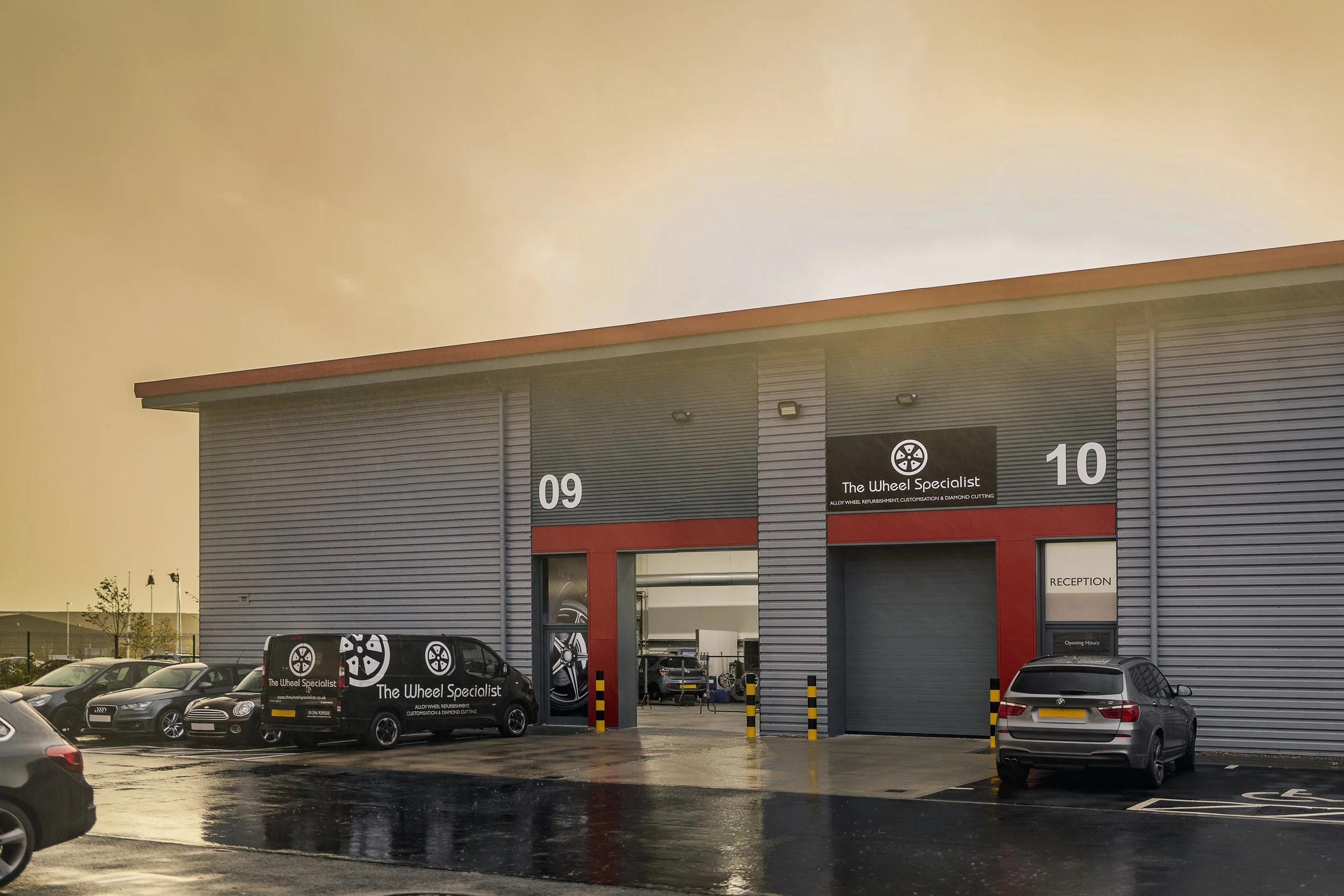
A static, workshop-based refurbishment centre is designed for consistency and depth. Controlled conditions, specialist machinery, and trained technicians allow for repairs that go beyond surface appearance, restoring both strength and finish to manufacturer-level standards. This approach is particularly important for modern vehicles, larger alloy wheels, and clients such as fleets, insurers, and dealerships who require predictable quality at scale.
The comparison below outlines the practical differences between mobile wheel repair and a static unit-based refurbishment model, helping you understand what each approach is best suited for and why professional workshops deliver a higher standard of result where it counts most.
| Area | Mobile Wheel Repair | Static Unit–Based Refurbishment |
|---|---|---|
| Service Depth | Focuses on light cosmetic work suitable for quick driveway repairs. | Provides full refurbishment using specialist equipment for consistent, high-quality outcomes. |
| Environment | Work is carried out outdoors, limiting control over conditions and finish consistency. | Operates in a controlled workshop environment that protects quality and durability every time. |
| Durability | Coatings cannot be fully heat cured, which can weaken long-term finish. | Uses chemical stripping, powder coating, and curing ovens for maximum durability. |
| Structural Capability | Not designed for cracks, buckles, or corrosion treatment. | Handles cosmetic and structural repairs including cracks, buckles, and heavy corrosion. |
| Complex Jobs | Best suited to single-wheel touch-ups or very minor damage. | Built for complete sets, complex repairs, and high-volume trade work. |
| Turnaround Reliability | Dependent on weather, daylight, and travel, reducing predictability. | Fully predictable turnaround due to controlled processes independent of weather. |
| Brand Presence | Weaker perceived scale due to mobile setup, limiting professionalism. | Strong brand presence through a professional workshop that signals expertise and trust. |
| Market Positioning | Viewed as a convenient quick fix rather than a full refurbishment solution. | Positioned as a specialist refurbishment centre for trade, fleet, and insurance clients. |
| Revenue Potential | Lower average revenue due to restricted service scope and job size. | Higher revenue potential through broader services and higher-volume capability. |
| Resale Value | Lower resale potential due to fewer assets and limited scalability. | Higher resale potential driven by infrastructure, assets, and B2B appeal. |
| Customer Confidence | Perceived as limited-depth work, which can affect trust for serious repairs. | Workshop presence builds confidence and reinforces professional credibility. |
| Setup Costs | Potentially lower setup cost, though van-based solutions can vary significantly. | Higher setup cost, matched by stronger earning capacity and long-term value. |